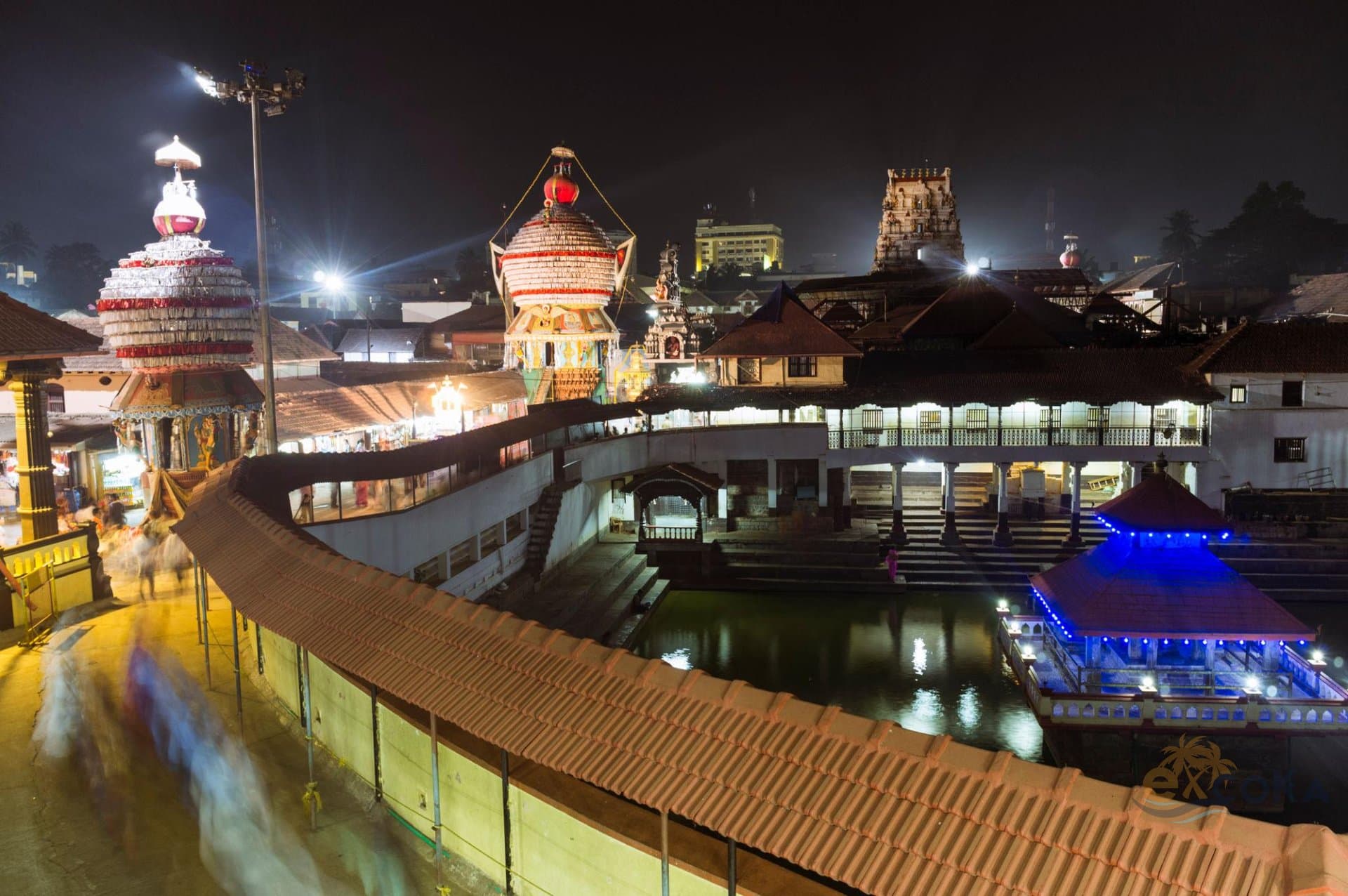
There are places you visit.
And then there are places that feel like home.
I grew up waking to temple bells, monsoon mornings, the smell of jasmine, and the salty breeze drifting in from the Arabian Sea. I remember going to the beach with my grandfather, watching fishermen return with their morning catch, and coming home to a lunch that somehow always tasted better because it came from the place I called home.
These aren't tourist memories.
They're simply life in Tulunadu.
And that is exactly what makes this land special.
More Than Beaches and Backwaters
When people think about this part of the coast, they often picture beautiful beaches, coconut trees, temples, rivers, and sunsets.
And yes, we have all of that.
But there is another side that doesn't always appear in travel guides.
It lives in the narrow village roads, the old homes, the fishing communities, the sacred groves, the local markets, and the conversations that happen over a cup of tea.
It is found in the sound of temple bells at dawn and the rhythm of fishing boats returning at dusk.
It is in the monsoon clouds hanging over the Western Ghats and the red soil beneath your feet.
This is the Tulunadu I know.
Where Tradition Is Still Alive
Growing up here also meant growing up around traditions that weren't treated as something from the past.
They were simply part of everyday life.
During festivals, streets came alive with colour, music, drums, and elaborate performances. I remember watching Pili Vesha performers during Astami- men and women painted like tigers, dancing through the streets with incredible energy.
Then there are traditions such as Bhoota Kola, where ancestral and spirit traditions continue to live within communities, and Yakshagana, where stories from ancient epics come alive through music, elaborate costumes, dialogue, and dance.
These aren't museum pieces.
They are living traditions.
And to truly understand them, you need more than a photograph. You need the stories, the people, and the context behind them.
And Then There Is the Food
If there is one thing that can make someone fall in love with Tulunadu quickly, it is the food.
Our cuisine is bold, comforting, and unmistakably coastal.
Neer Dosa. Chicken Ghee Roast. Kane Rava Fry. Pathrode. Goli Baje. Mangalore Buns.
Every dish carries a little piece of the communities and landscapes that shaped this region.
For me, food is inseparable from memory.
The smell of a familiar dish can take you straight back to your childhood kitchen.
That is why discovering Tulunadu's food isn't just about finding the best restaurant.
Sometimes, it is about finding the person who has been making the same recipe for generations.
Why Excoka?
This is where Excoka comes in.
Excoka was born from a simple idea:
What if travellers could experience Tulunadu the way locals experience it?
Not just check into a hotel, visit a famous attraction, take a photograph, and leave.
But stay in a local home.
Eat food prepared with family recipes.
Meet the people behind the traditions.
Discover places that don't always make it onto the tourist map.
Understand the story behind a festival.
Walk through a village without rushing to the next destination.
In other words, travel a little slower and experience a little deeper.
Excoka brings together local stays, experiences, culture, food, and the people who make this region what it is.
Come Home to Tulunadu
You don't have to be born here to feel connected to this place.
You just need to slow down enough to experience it.
Listen to the temple bells.
Taste the local food.
Watch the fishing boats return.
Walk through an old village.
Sit with a local and hear a story.
Experience a festival not as a spectator, but with an understanding of what it means to the people who celebrate it.
Because Tulunadu isn't just a destination.
It is a collection of stories, traditions, flavours, landscapes, and people.
And at Excoka, we want to help you discover them.
Come explore Tulunadu.
Discover the places. Meet the people. Experience the culture.
Excoka — Discover Tulunadu. Discover the stories behind the places.